Jaw pain, or difficulty opening your mouth.
We do not judge the cause on appearance alone.
- "My jaw hurts when I open my mouth."
- "I can't open my mouth wide."
- "My jaw clicks."
- "It's easier while I'm wearing a mouthguard, but it gets bad again when I take it out."
These symptoms are known collectively as temporomandibular disorders (TMD).
However, even among people with similar jaw pain, the cause and the condition of the mouth differ from person to person.
At Yoshimi Dental Clinic, rather than deciding on a treatment method from the symptoms alone, we actually measure
- How the jaw moves
- How the upper and lower jaws are positioned in relation to each other
- Where and how the teeth come into contact
before considering treatment.
What we value is this:
"Measure first. Then design a bite for that person."
That is our way of thinking.
How we treat TMD
- ①
Measure
We examine jaw movement, skeletal structure, tooth alignment and the bite.
- ②
Design
Based on the examination results, we work out the target jaw position and bite for that person.
- ③
Build
We make appliances such as splints and overlays, reproducing the designed bite in the mouth.
- ④
Verify
Once the appliance is in place, we look at the symptoms and also measure jaw movement again.
- ⑤
Stabilize with orthodontic or prosthetic treatment where needed
Using orthodontic treatment, crowns, dentures and other restorations, we bring the confirmed bite into a state that can be maintained over the long term.
Do you have any of these concerns?
- Your jaw has hurt for years
- You cannot open your mouth wide
- Your jaw gets tired or hurts when you eat
- Your jaw joint makes sounds
- Wearing a mouthguard helps, but the symptoms return when you take it out
- Your teeth are well aligned, yet your jaw hurts
- Jaw symptoms appeared after orthodontic treatment
- You had orthodontic treatment involving extractions in the past and have since been concerned about jaw symptoms
- You wear dentures but find it hard to chew or feel discomfort in your jaw
- You were treated at another clinic, but the cause is still unclear
Having these symptoms does not necessarily mean that the bite is the cause.
We start with examinations to check whether there is a problem with jaw movement or the bite.
The examination results may lead to a decision not to carry out orthodontic treatment.
Why do we examine in such detail?
Looking at the alignment of the teeth does not tell us how the jaw joints move.
Nor are neatly aligned teeth necessarily the same as a bite that matches the movement of the jaw.
So we combine several examinations to assess the condition of the mouth in three dimensions.
Measuring jaw movement
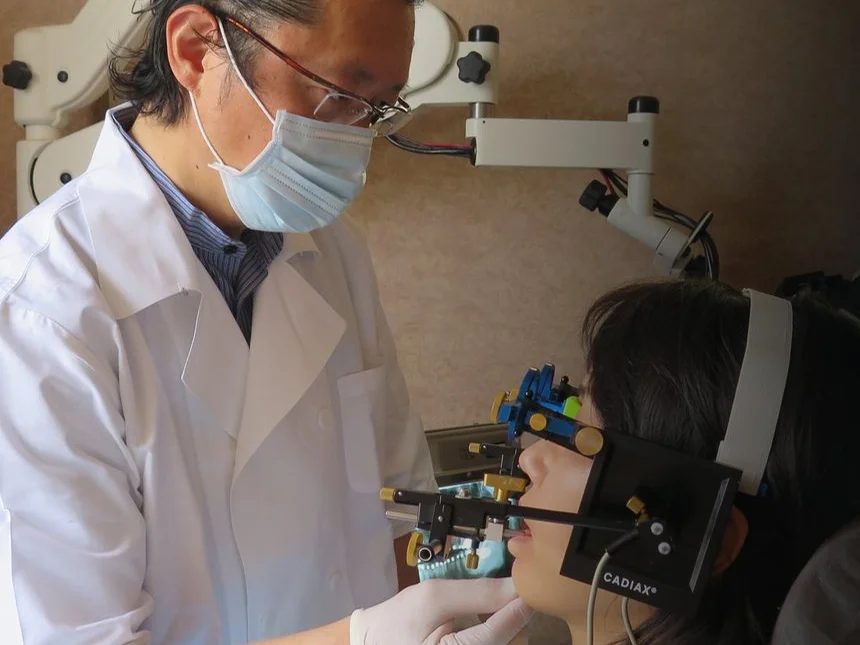
Cadiax
This device records, in three dimensions, how the left and right jaw joints move as the mouth opens and closes.
Jaw joint movement that cannot be judged by appearance can be checked as numerical data.
We use this data as important information when planning treatment.
Examining the skeletal structure
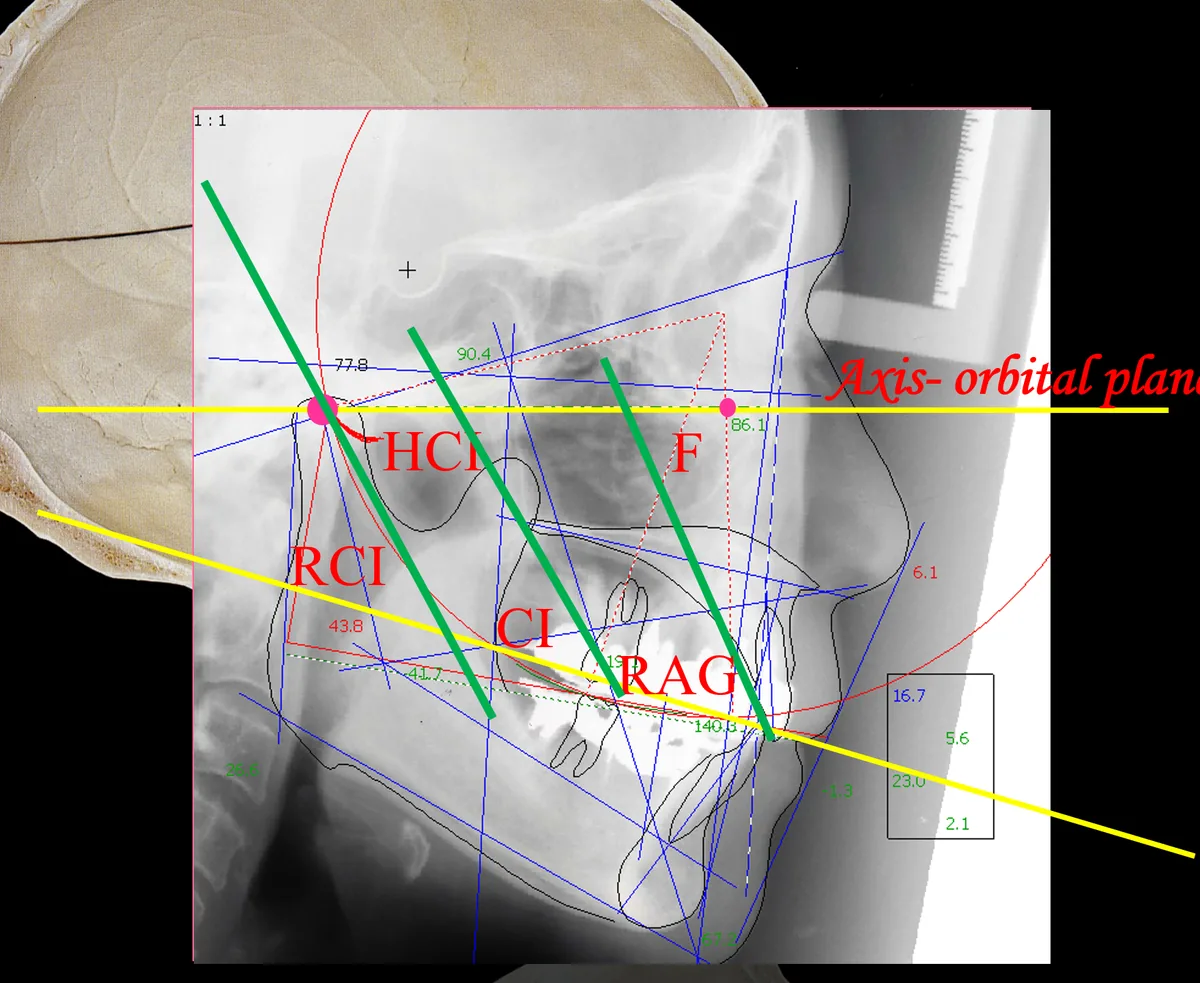
Lateral cephalogram
From an X-ray of the head taken from the side, we check
- The relationship between the upper and lower jaws
- Facial height
- The front-to-back position of the lower jaw
- The relationship between the teeth and the skeleton
and other points.
Rather than treating the problem as one of the teeth alone, this examination looks first at the skeleton, the foundation on which the teeth are arranged.
Reproducing the measured jaw movement on dental casts
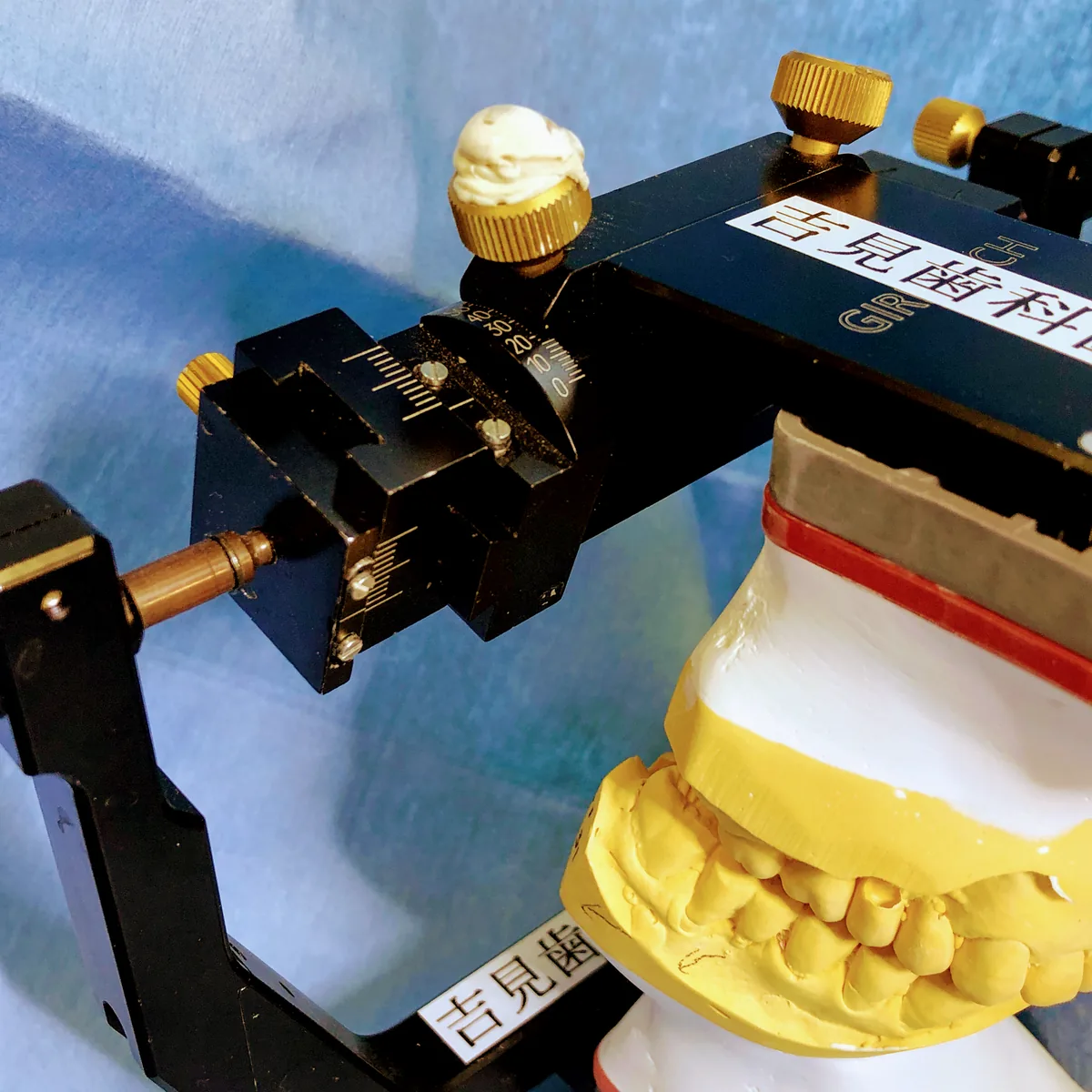
Girrbach Reference SL articulator
This device holds casts of the patient's upper and lower teeth and reproduces the movement of the jaw.
Rather than applying average values for jaw movement, we set it up with the patient's own data measured in the examination.
In this way,
"Where do the teeth meet?"
"Which teeth are bearing the force?"
"Which position should treatment aim for?"
can also be checked on the casts.
Looking at each tooth individually
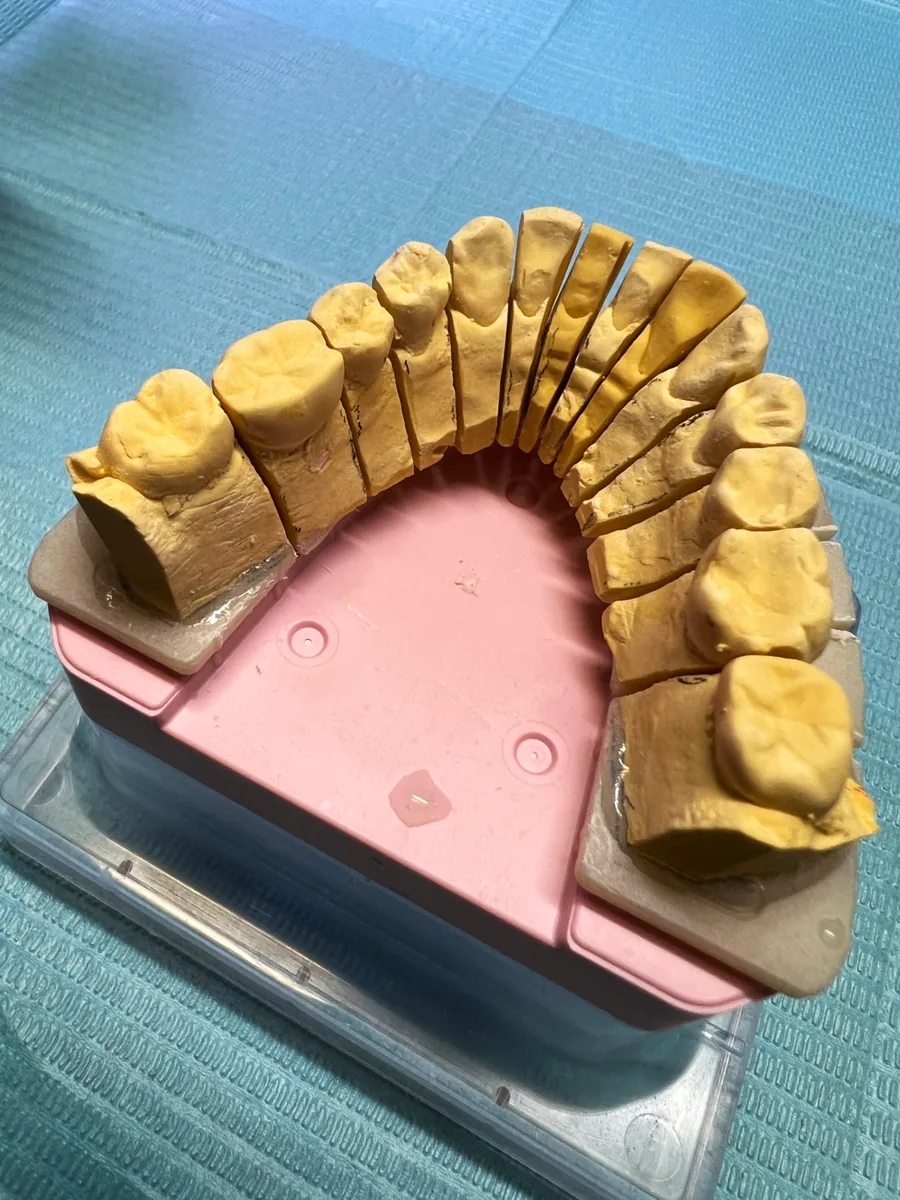
Sectioned cast
We divide a cast of the dental arch into individual teeth and check the position and inclination of each.
Rather than seeing the dentition as a single block, we check which way each tooth faces and at what height it sits.
In orthodontic treatment, we use this information to decide in which direction to move each tooth.
Checking the bite during sleep, not only during the day
BruxChecker
During the day, people do not keep their upper and lower teeth together all the time.
During sleep, however, the teeth can come into forceful contact, for example through grinding.
So, where needed, we use a thin sheet called BruxChecker to see which teeth make contact at night.
We check not only before treatment but also during and after it, to follow how the condition changes.
Treatment is not over just because the symptoms have gone
A jaw that no longer hurts is not necessarily the same as a stable bite.
At our clinic, we check not only
How the symptoms have changed
but, at the same time,
How jaw movement and tooth contact have changed
as well.
We also check the bite at night after treatment, to see whether the state achieved through treatment is being maintained over time.
Why don't we end treatment with a mouthguard alone?
Wearing a mouthguard (splint) changes the forces on the jaw joints, and symptoms may ease temporarily.
However,
"It's easier while I'm wearing it, but the symptoms come back when I take it out"
is what some people tell us.
At our clinic, a splint is used not simply as a tool for relieving symptoms, but also as
"a device for confirming, in the mouth itself, which jaw position and bite to aim for"
in some cases.
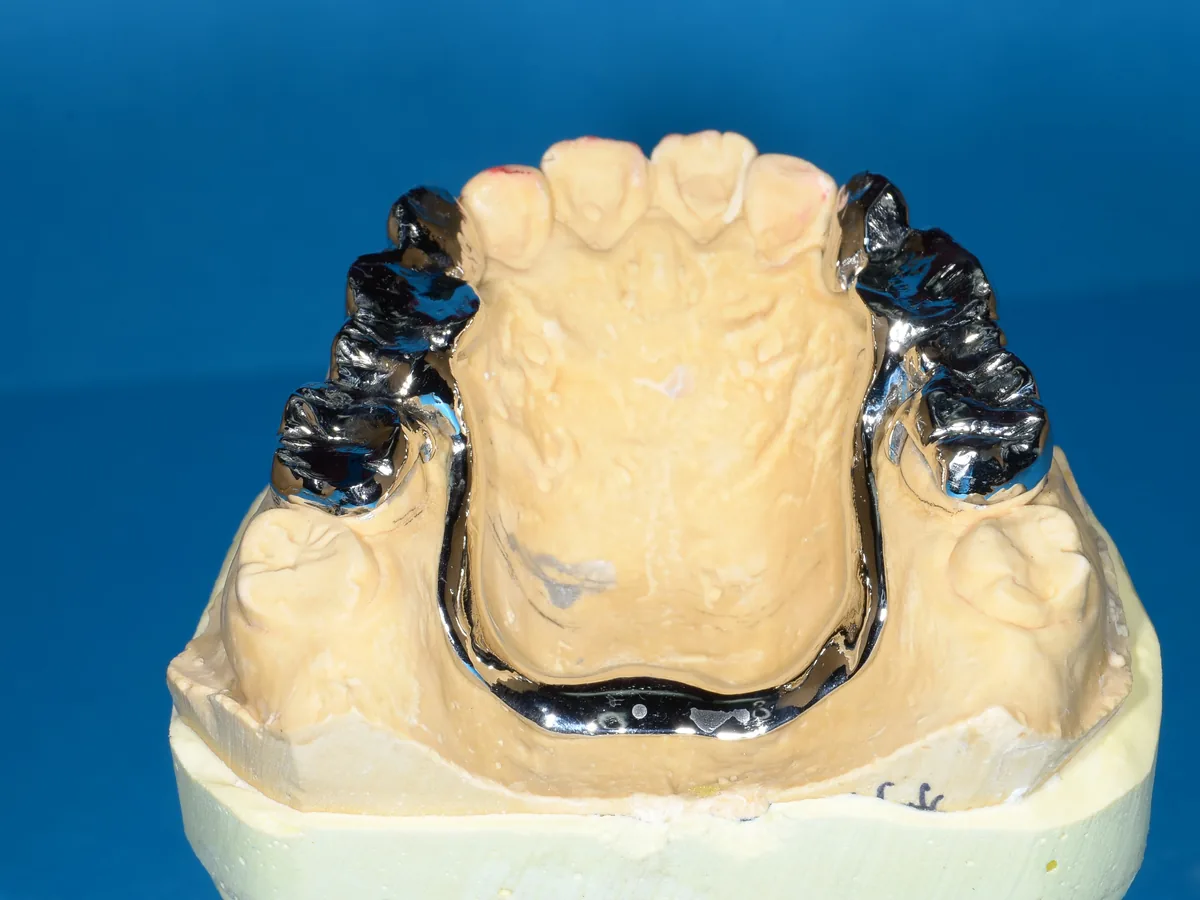
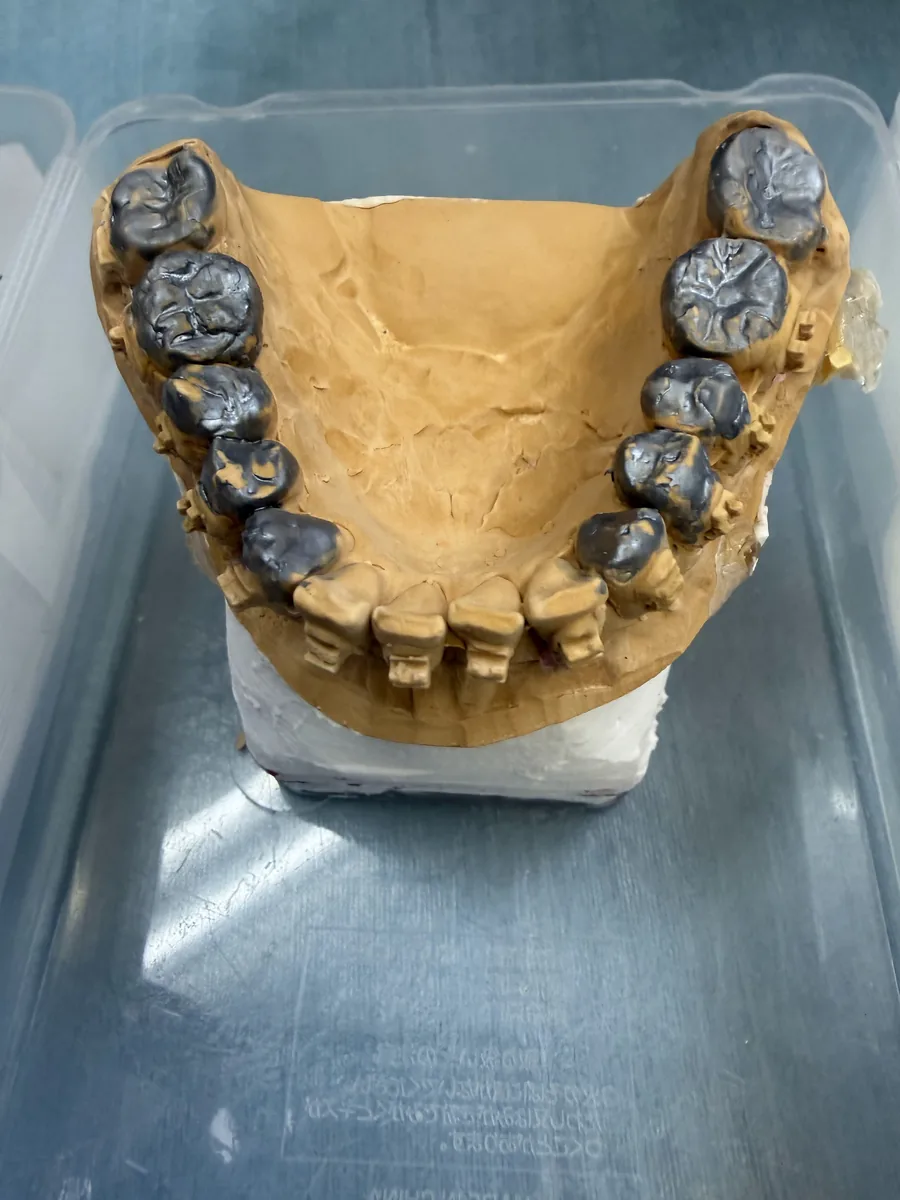
With the appliance, we reproduce in the mouth the position derived from the examinations, and check how jaw movement and symptoms change.
Based on the results, and where necessary, we then create a bite that can maintain that state through orthodontic or prosthetic treatment.
Orthodontic treatment that avoids extractions where possible
Why do we sometimes use orthodontic treatment?
When it comes to TMD,
"If it's my jaw that needs treating, why orthodontics?"
you may be wondering.
At our clinic, the purpose of orthodontics is not simply to line up the front teeth neatly.
Changing the position, height and inclination of the teeth
to create a bite that matches the movement of the jaw
is what we aim for.
For this reason, we adjust the wire for each patient during treatment.
MEAWA wire that moves each tooth in three dimensions
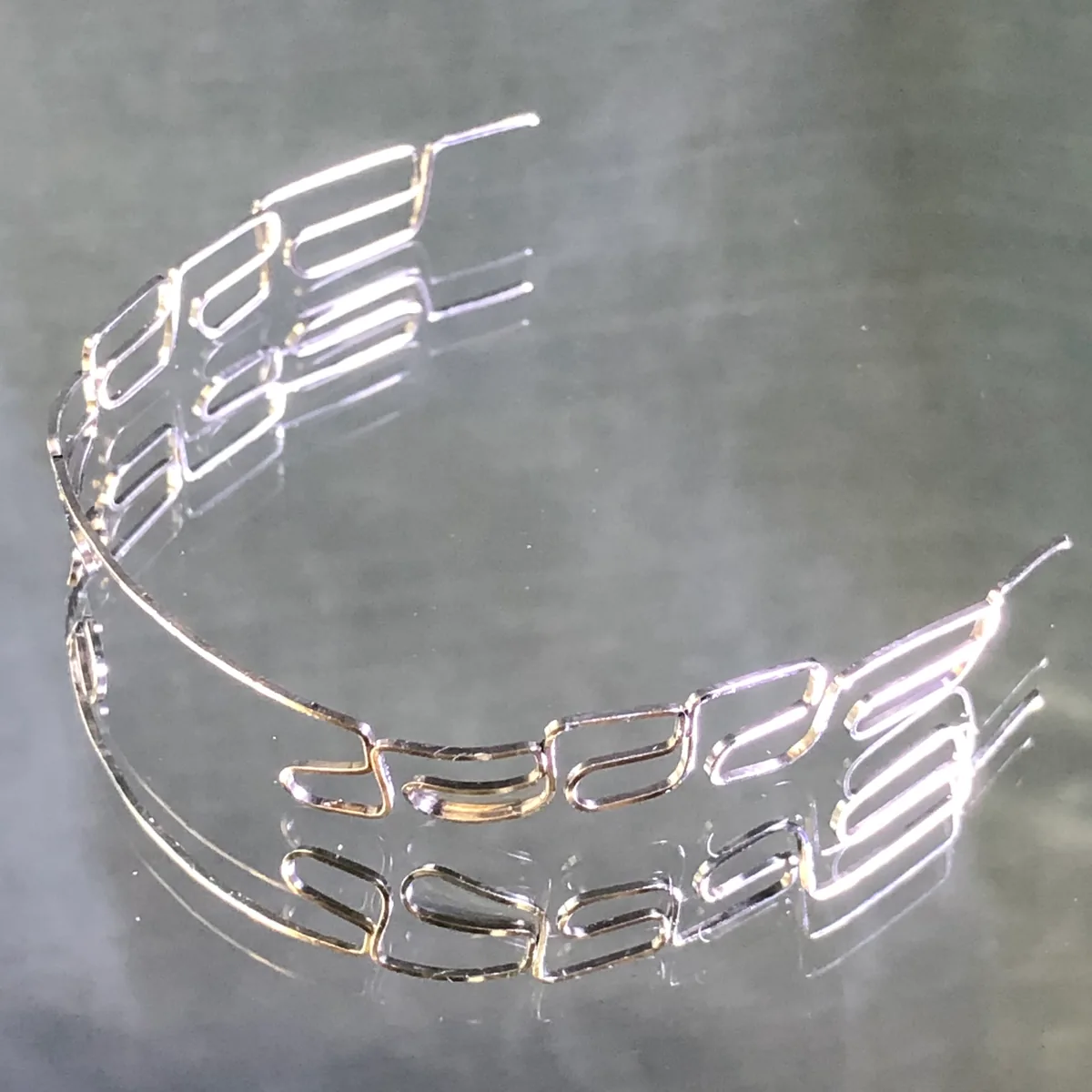
MEAW (Multiloop Edgewise Archwire) is an orthodontic wire with a series of small loops.
It has a complex shape so that each tooth can be moved with its
- Front-to-back position
- Side-to-side position
- Vertical position
- Inclination
all taken into account.
Rather than using a ready-made wire as it is, the director adjusts it to suit the examination results and treatment plan.
Keeping your own teeth as far as possible
At Yoshimi Dental Clinic, we place importance on preserving teeth.
In orthodontic treatment too,
"The teeth won't line up, so extract straight away"
is not the way we think.
Instead, we consider the treatment method after examining the skeletal structure, jaw movement, tooth positions and the bite.
However, not everyone can be treated in the same way.
Depending on the condition of the teeth and bone, and on whether there are lesions, it may be difficult to keep a tooth.
Whether a tooth can be kept, and which method is suitable, are judged after examination.
We make appliances in-house, working from the patient's data
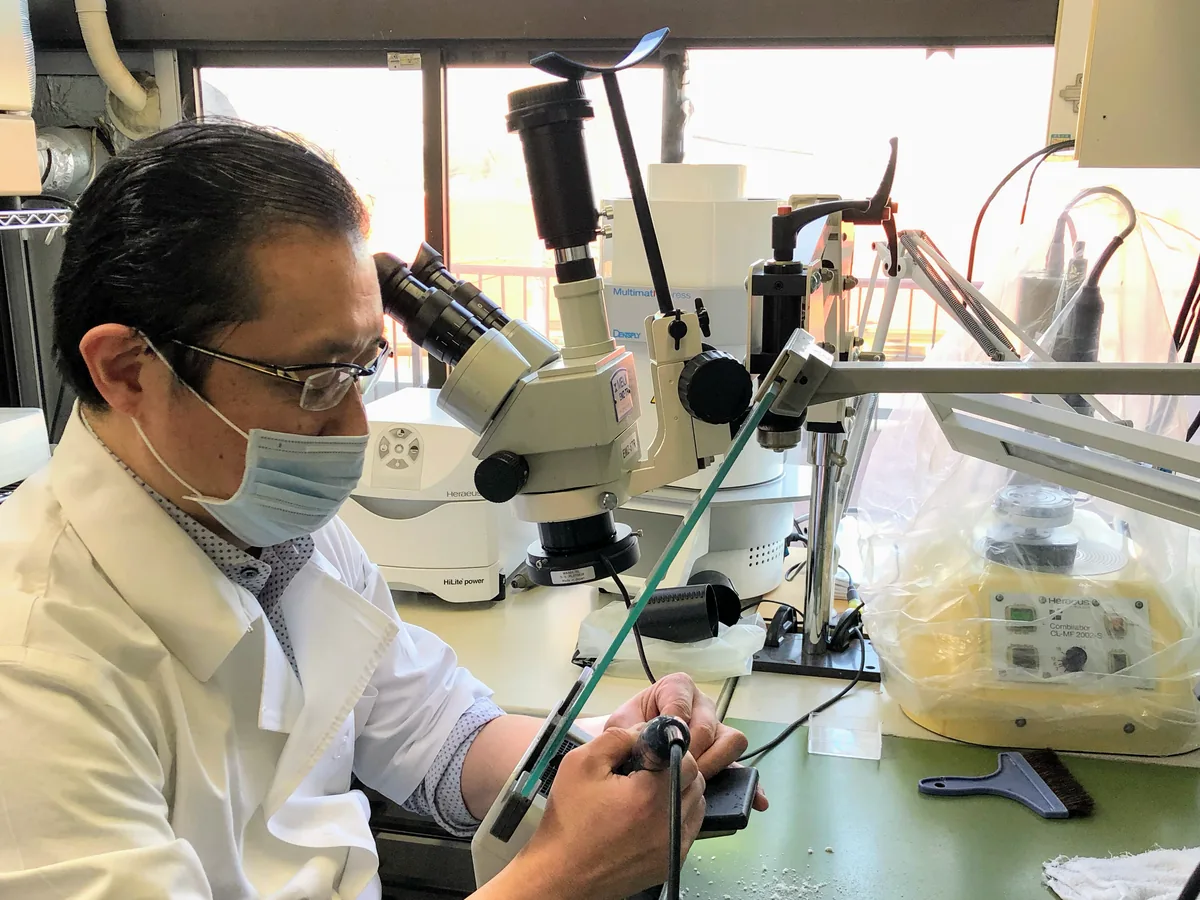
Our clinic has a dental laboratory next to the treatment room.
For appliances used in TMD treatment, such as
- Metal overlays
- Splints
- Orthodontic wires
- Provisional restorations
- Dentures
the director is involved in their design, shaping and adjustment.
Why do this in-house?
Because we want the wealth of information gained from the examinations, such as jaw movement, skeletal structure and tooth positions, to be carried directly into the shape of each appliance.
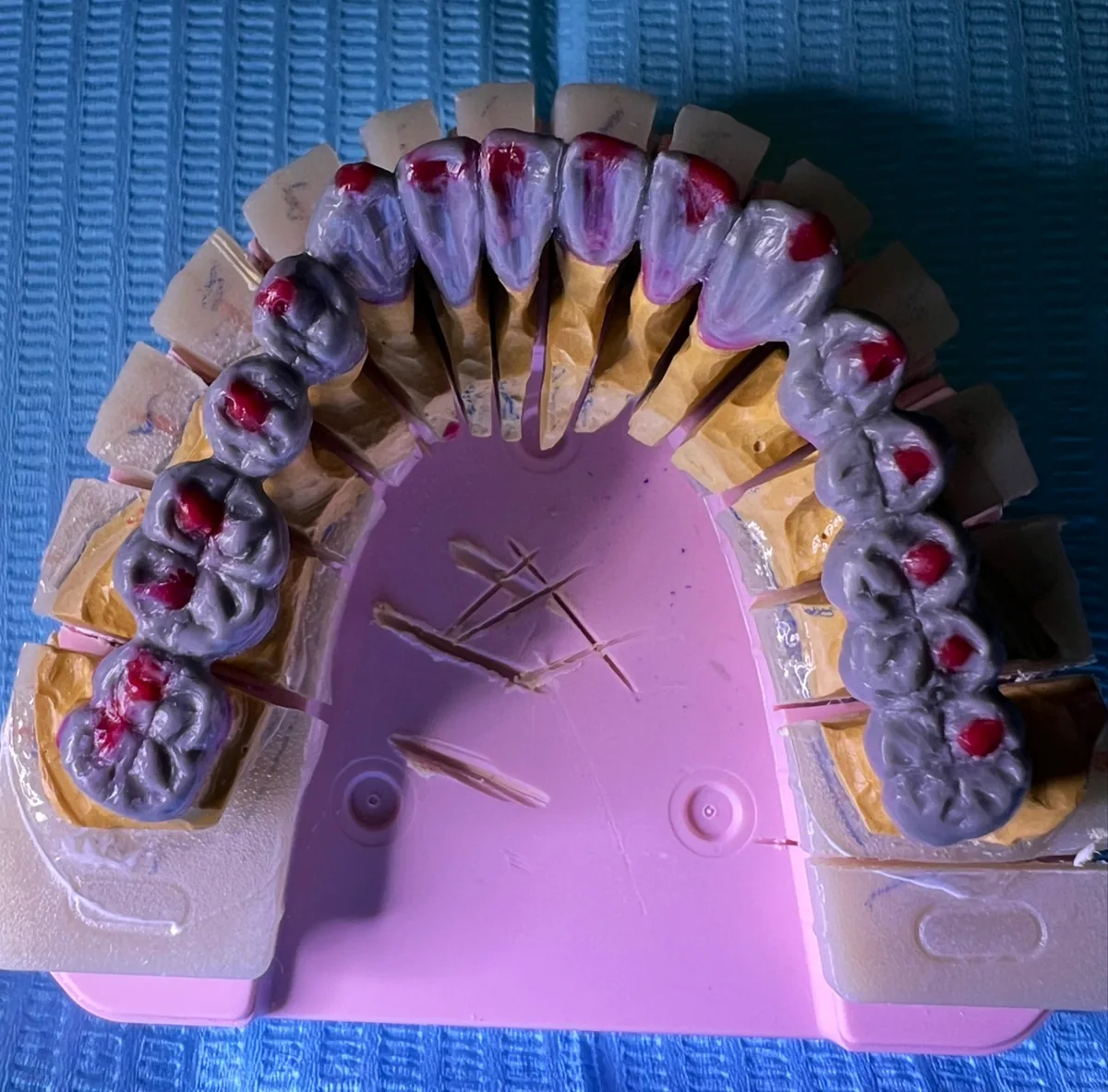
Wax-up
We design the shape of the teeth and the bite on the cast.
High-magnification microscope
Provisional restorations, finished restorations, wires and other items are also checked under magnification.
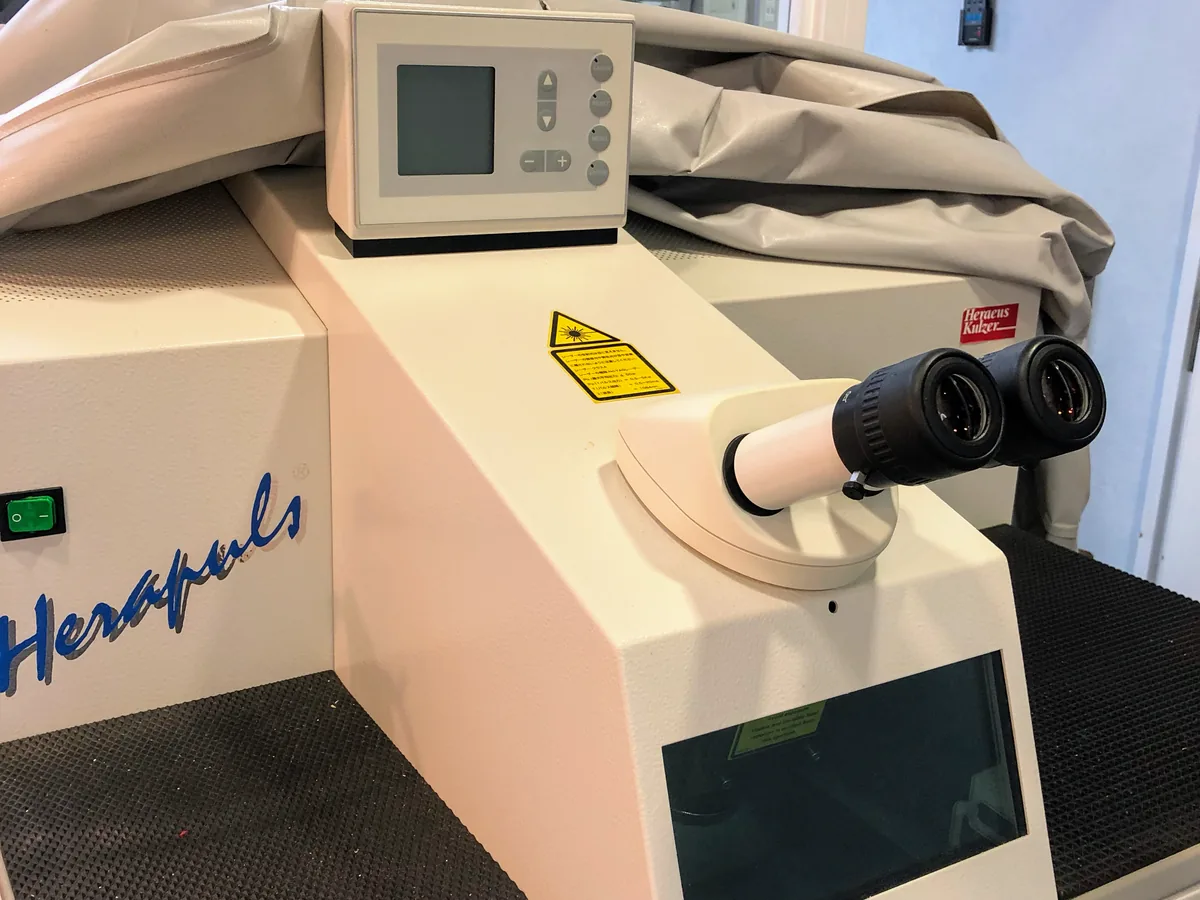
Laser welder
We have the equipment to repair appliances and carry out fine work in-house.
For denture wearers too, we build the bite with the same approach
TMD does not occur only in people who have their own teeth.
Even in people who have few teeth or wear complete dentures, the jaw joints are still moving.
When we make dentures, we also examine jaw movement using Cadiax and other tools, and plan the bite based on data on the skeletal structure and jaw joints.
Orthodontics, which aligns the teeth, and denture treatment differ in method, but
aiming for a bite that matches the movement of the jaw
is the basic idea they share.
More about dentures (precision dentures) →
Headaches, stiff shoulders, tinnitus and difficulty sleeping
Some patients with TMD also report
- Headaches
- Stiff shoulders
- Tinnitus
- Difficulty sleeping
- Changes in physical condition
and other symptoms.
Since 2002, our clinic has been researching the relationship between occlusion and autonomic nervous function.
For patients who need it, we may record changes before and after a procedure using measurements such as the pupillary light reflex, heart rate variability and electromyography.
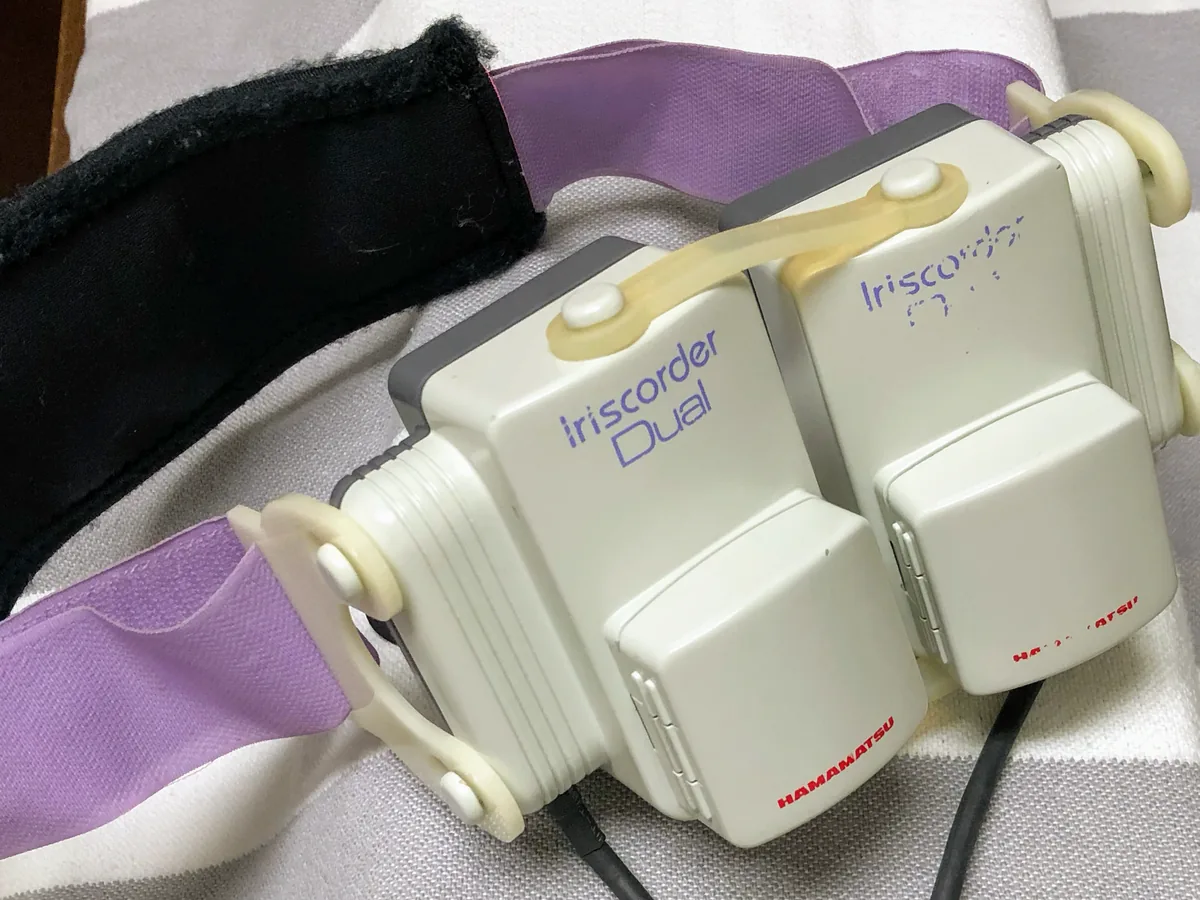
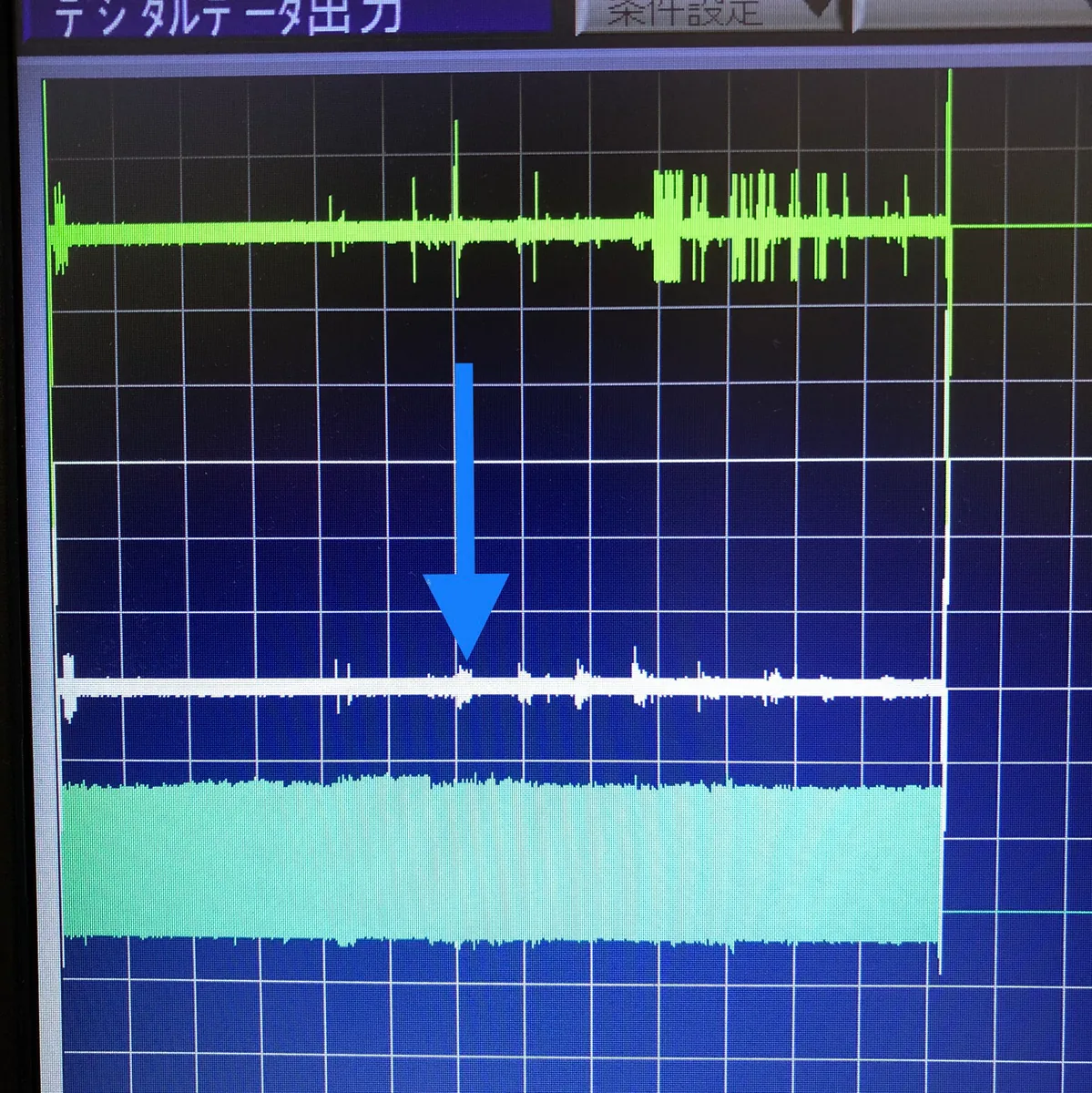
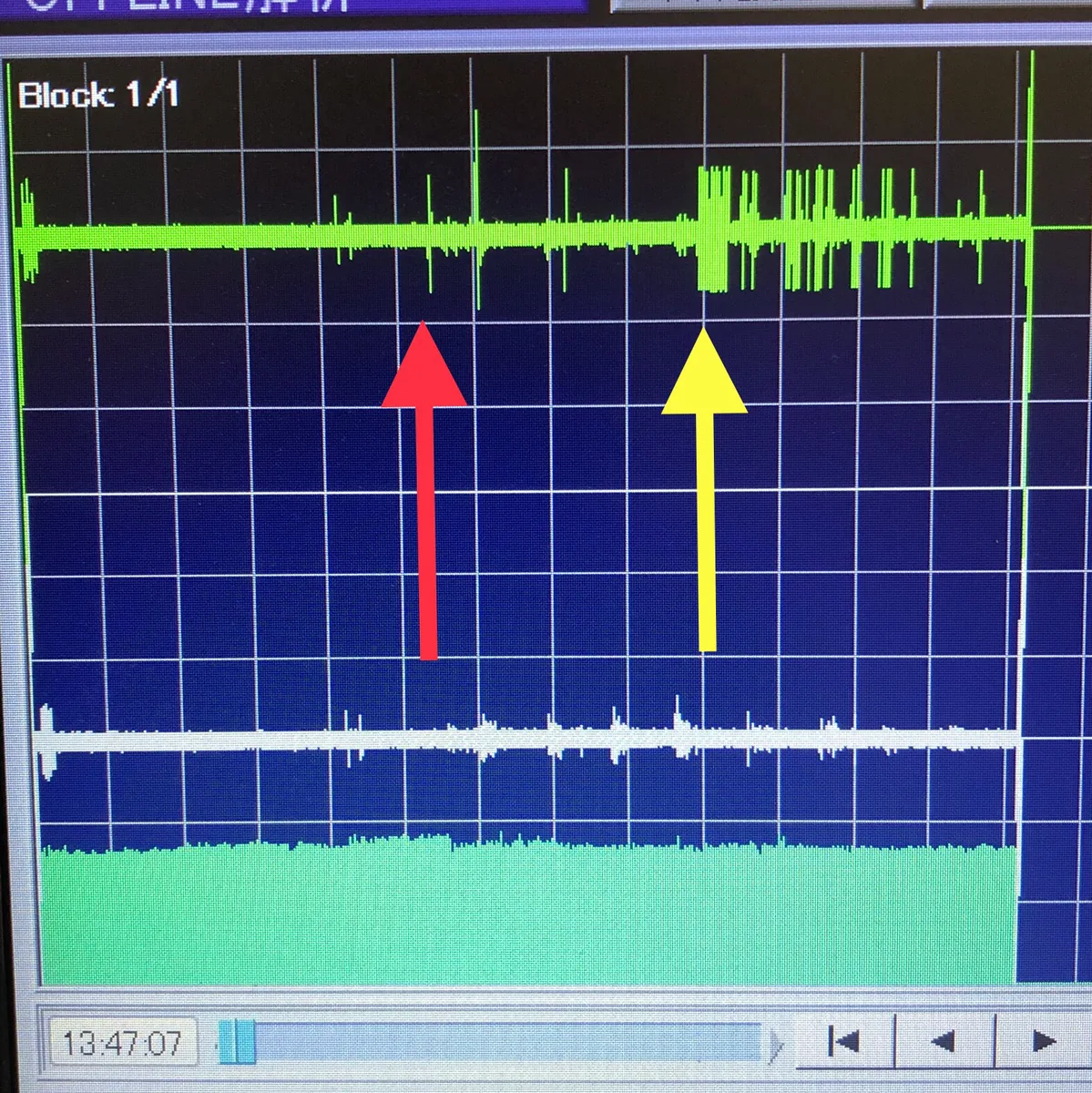
There is, however, a very important point.
The causes of headaches, stiff shoulders, tinnitus, sleep problems and similar symptoms cannot be explained by the bite alone.
The association between occlusion and the autonomic nervous system that we have observed in research is separate from the cause of each patient's symptoms and the effect of their treatment.
Where appropriate, we recommend assessment by a physician or in another specialty, such as oral surgery.
How does treatment proceed?
STEP 1First consultation
We first ask about your current concerns and the treatment you have received so far.
We examine your jaw, bite and teeth, then explain our initial findings and any further examinations needed.
You can also consult us about a diagnosis you received at another clinic.
You may also choose to stop after the diagnosis.
STEP 2Detailed examinations
Depending on your needs, we carry out
- Jaw movement examination with Cadiax
- Skeletal analysis by X-ray
- Impressions and sectioned casts
- Intraoral photographs
- Night-time bite examination
- Electromyography
- Autonomic reflex testing
and other examinations.
Not every examination is done for everyone; we choose the ones needed for your symptoms and condition.
STEP 3Designing the jaw position for treatment
From the combined examination results,
"Which biting position should we aim for?"
is the question we consider.
At our clinic, we call this target jaw position the "therapeutic jaw position".
STEP 4Confirming with appliances
Using metal splints, metal overlays, provisional restorations and similar appliances, we reproduce the designed state in the mouth.
Fitting an appliance is not the end.
We check jaw movement and symptoms again.
STEP 5Orthodontic or prosthetic treatment as needed
To maintain the confirmed bite over the long term, we carry out orthodontic treatment where needed.
Depending on the condition of the teeth, we combine it with prosthetic treatment such as crowns or dentures.
STEP 6Maintenance after treatment
After orthodontic treatment, a retainer is used.
Where needed, we also check the bite at night to see whether the state achieved through treatment is being maintained.
Treatment duration
Adjusting the bite with orthodontic treatment to address TMD is not something that finishes in a short time.
Standard orthodontic treatment
About 2–3 years
as a general guide
Visits
Once every 1.5 months
approximately
The duration varies considerably with symptoms and skeletal structure.
Also, even if symptoms ease during the initial stage of treatment,
"Symptoms gone = treatment complete"
does not necessarily hold.
Our treatment plans extend to stabilizing the bite and maintaining that state.
For the latest fees, please see the fee table.
When our treatment may not be suitable
We do not treat every jaw symptom through the bite.
For example:
- You would like treatment without undergoing examinations
- You would like treatment only if it is short or requires few visits
- A condition other than TMD, such as an injury, a tumour or a systemic disease, is suspected
- There is a lesion that means the tooth cannot be preserved
In cases like these, our approach may not be suitable, or assessment in another specialty may take priority.
The examinations may also lead to the conclusion that orthodontic treatment should not be carried out.
Risks of treatment
In orthodontic treatment,
- Pain when teeth are moved
- Root resorption
- Relapse
- A higher risk of tooth decay and gingivitis
- Discomfort in the bite during treatment
- Discomfort when wearing a retainer
and other such effects may occur.
In addition, the MEAW we use is a wire with a complex shape.
It may cause discomfort during treatment, and under certain conditions the wire may break.
Treatment results and duration also vary from person to person.
We set goals based on the examination results, but not every patient follows the same course.
Technologies used in this treatment
These are the technologies we use in examinations, design and making appliances for TMD and orthodontic treatment.
Measure
Analyse and design
Appliances used in treatment
Materials
Frequently asked questions
- My jaw hurts. Will I need orthodontic treatment straight away?
No.
We first look into the cause of the jaw pain.
We consider treatment options after checking whether there is a problem with jaw movement or the bite.
Depending on the examination results, orthodontic treatment may not be carried out.
- Won't a mouthguard alone be enough?
Some people find their symptoms ease when they wear a mouthguard.
For others, the symptoms return when they take it out.
Where appropriate, we use a mouthguard or metal splint as "a stage for confirming the jaw position for treatment", and then decide whether further treatment is needed.
- My teeth are well aligned. Why does my jaw hurt?
Having neatly aligned teeth is not the same as having a bite that matches the movement of the jaw joints.
Measuring jaw movement and skeletal structure can sometimes reveal positional relationships that cannot be seen just by looking in the mouth.
- Could it be related to orthodontic treatment I had before?
Some people come to us with jaw symptoms that appeared after orthodontic treatment.
However, whether previous orthodontic treatment is the cause cannot be judged from symptoms alone.
We examine the skeletal structure, jaw movement and your current bite before making a judgement.
- Can people with dentures have TMD?
Yes.
The jaw joints move even in people without teeth, so jaw joint symptoms can occur.
With complete dentures too, we can measure jaw movement and design the bite based on that data.
- Will my headaches and stiff shoulders get better too?
Headaches and stiff shoulders have many possible causes.
Although we research the relationship between occlusion and the autonomic nervous system,
we do not claim that "correcting the bite will resolve headaches and stiff shoulders".
Where appropriate, we also recommend assessment by a physician.
Start by understanding your condition, not with treatment
Even if you have long-standing jaw pain or questions about treatment you have had,
you do not need to decide on treatment from the outset.
A first visit at our clinic
begins with examining the current condition of your mouth and jaw and explaining what we can tell at this stage.
We show patients their examination results and the details of their treatment.
You are also welcome to take photos or videos during your appointment.
"What is going on with my jaw?"
"I'd like someone to go through the treatment I've had so far and help me make sense of it."
You are welcome to come with questions like these.
Please start by telling us about your current concerns.
Related topics
- Thorough diagnosis before treatment (14 examination items)
- Occlusion and autonomic nervous function
- Mechanical force (the forces acting on the teeth)
- Dentures (precision dentures)
- Research & publications
Consultations and enquiries
Gibakai Medical Corporation
Yoshimi Dental Clinic
Square 2, Room 302 (third floor)
1-29-1 Tsukushino, Machida,
Tokyo 194-0001, Japan
TEL 042-795-1359 FAX 042-795-1398
Clinic days: Mon · Tue · Thu · Fri
10:00–13:00 / 14:30–18:00
A first visit begins with a first consultation (a private, non-insured service; 30 minutes to 1 hour) for examination and diagnosis. Questions about a diagnosis you received elsewhere are also covered within it.
In an emergency, such as being unable to chew or having severe symptoms, please call us on 042-795-1359 to discuss it.