Treating one tooth, and a plan for the whole mouth
In comprehensive treatment, we examine not only the tooth that concerns you but the whole mouth for any problems. We check the condition of the teeth, the periodontal tissues, the alignment, and the relationship between jaw movement and the bite, and consider how to combine the treatments needed.
Where should I begin?
Please tell us about your current concerns, the treatment you have received so far, any teeth you wish to keep, and your wishes about treatment. We also accept consultations for diagnosis only.
The treatment needed differs from person to person. When you consult us, please check the scope and sequence of treatment, the costs including examinations, provisional restorations and final restorations, the duration and number of visits, and the risks of each treatment.
Total
Why we examine
the whole mouth
We look not only at the area the patient is concerned about but at the whole mouth at the same time, and propose treatment as needed.
Why do we look at the whole mouth?
Most patients come to us with some kind of discomfort or pain. We prioritize the area of concern. We also check the condition of the whole mouth, including decay, periodontal disease and the bite.
effective treatment Efficient, evidence-based treatment

Before treatment, we examine the cause and plan treatment based on the results.
What we always insist on is carrying out a detailed examination with dedicated equipment before any treatment, accurately grasping the current condition of the patient's teeth, building a treatment plan on that information, and providing efficient, evidence-based treatment so that each individual tooth is brought to a better condition for the patient.
The result is that we propose comprehensive treatment. Through detailed analysis we examine disharmony in the skeleton and dental alignment, and propose a treatment plan combining orthodontics, dentures and other treatments.

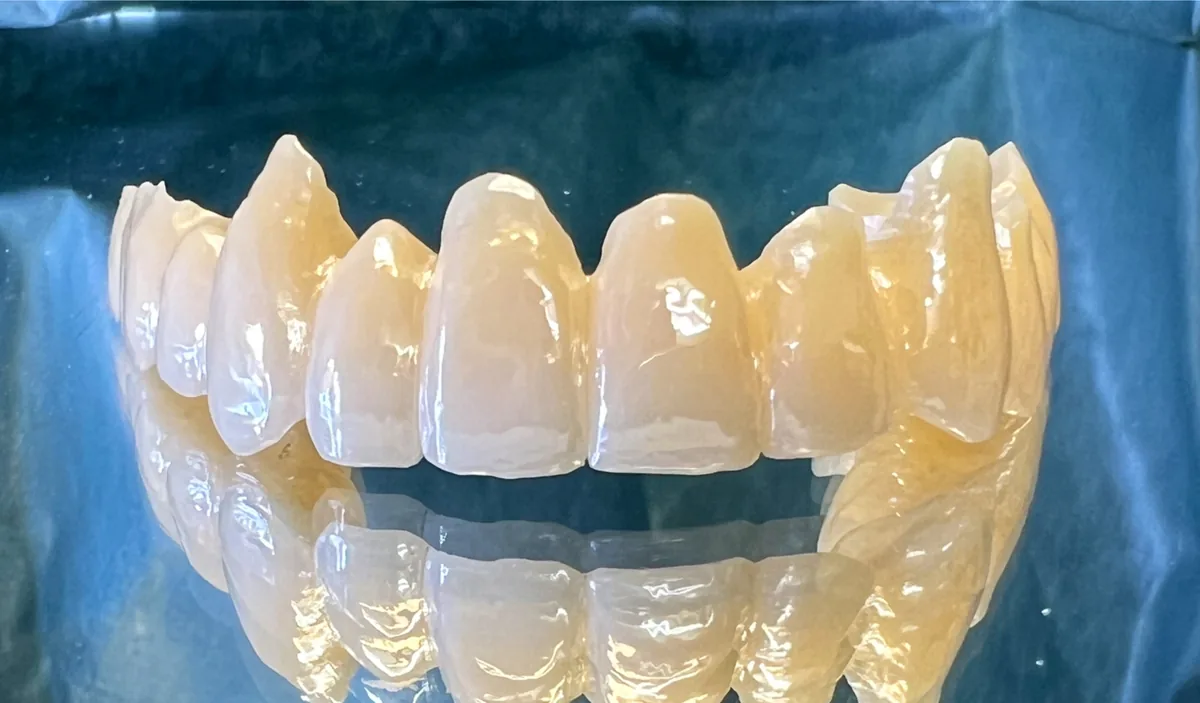
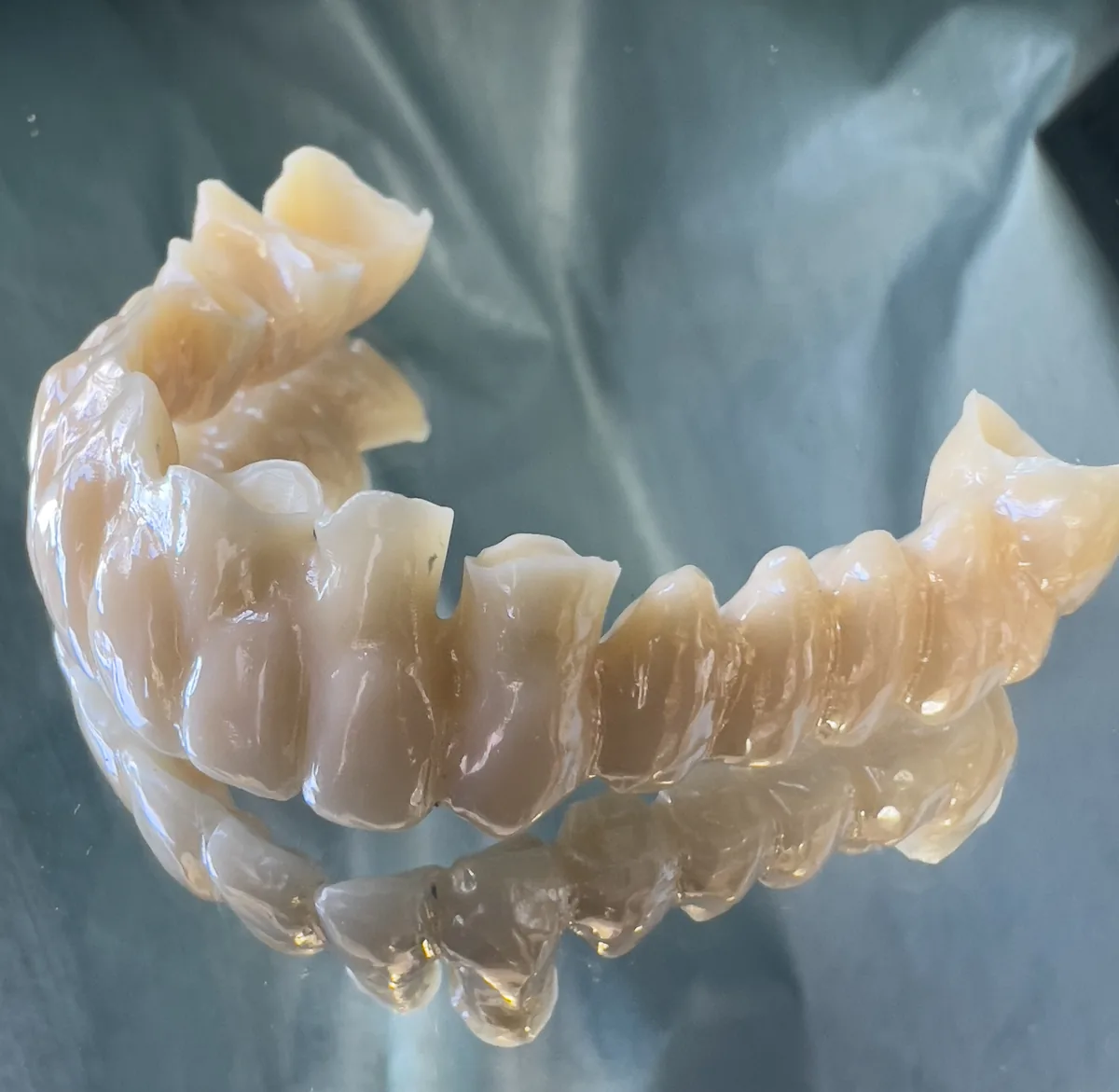
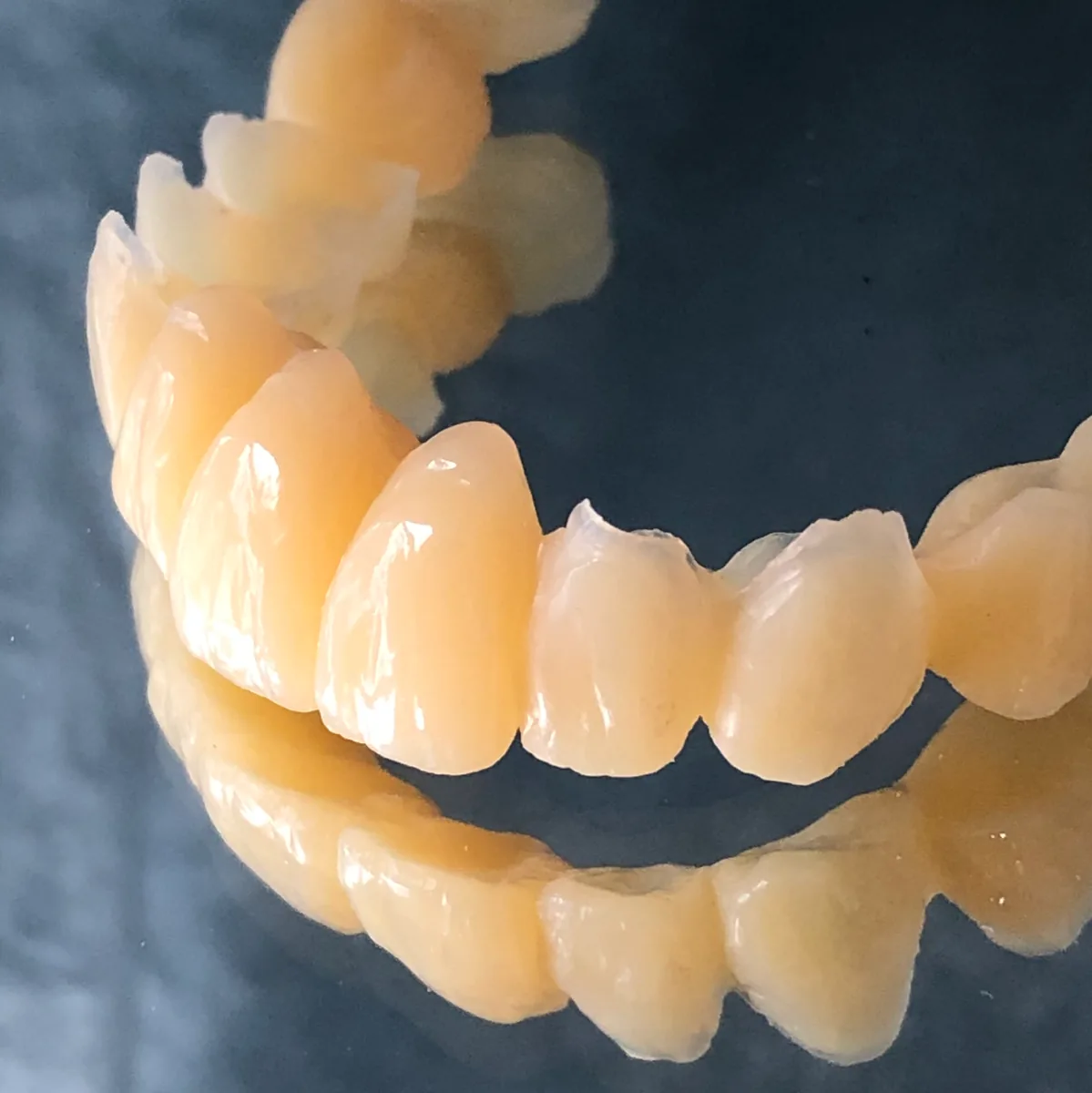
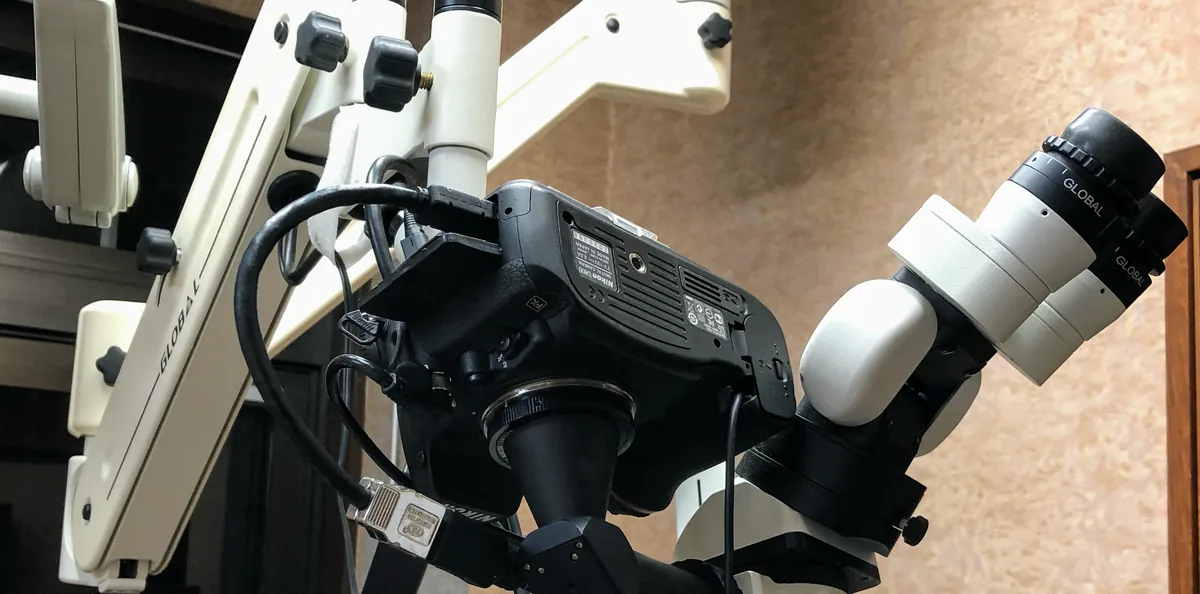
All provisional and final teeth are checked under a high-resolution microscope.
A case combining implants
and dentures

This is a case combining implants and dentures. Implants are extremely effective as anchorage. However, they have a weakness against periodontal bacteria. For dentures, firm anchorage is essential, and dentures are very effective for controlling periodontal bacteria. By combining the strengths of each to complement the other, we aim for a good long-term course.
Non-extraction orthodontics for TMD
and
zirconia ceramics

This is a case of non-extraction orthodontics for TMD combined with zirconia ceramic restorations.
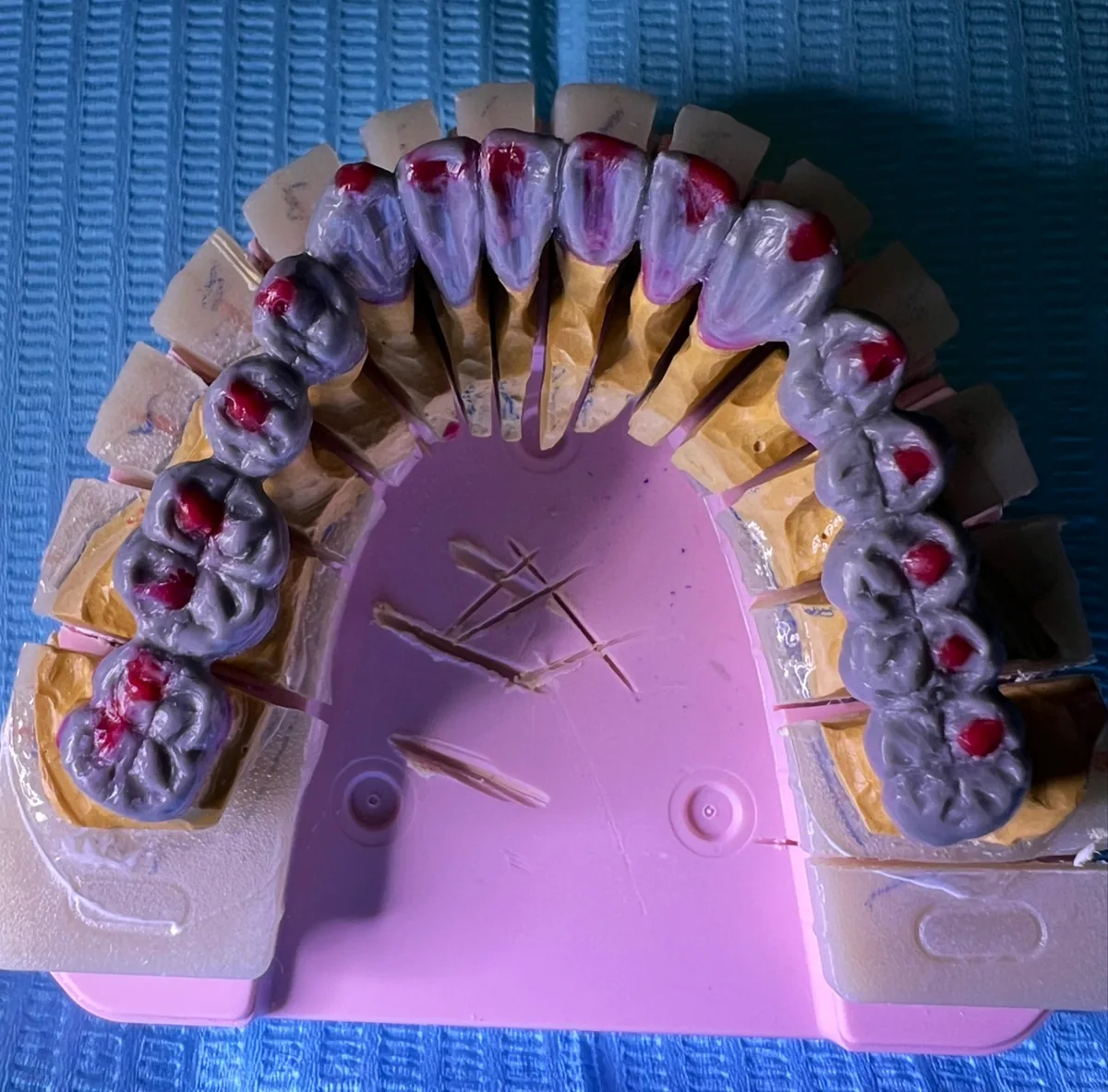
Photos: appliances and instruments at the clinic Tap a photo to enlarge.
Frequently asked questions
I have all my teeth, but I cannot chew. Why?
The teeth continuously send information to the central nervous system via the trigeminal nerve: information such as the height and angle of the teeth, the magnitude of force during occlusion, and the position of the jaw. This information is integrated to form the reflex neural circuits for chewing. If there are elements that cannot be processed, an avoidance movement is formed as a reflex circuit so that those areas are not used. When this happens, you become unable to chew. We aim to resolve this by normalizing the three-dimensional positional information of the teeth.
I am missing some teeth and cannot chew. Why?
A partial denture is designed by examining how much it sinks toward the gums and the direction of movement of the supporting remaining teeth. If it sinks too much, the gums may hurt during chewing.
When implants are considered, we first examine why the teeth were lost.
I have no teeth and cannot chew.
Complete dentures are made with attention to the shape and movement of gums and surrounding tissues, and jaw position. Fit and function are checked after placement, with adjustments as needed.
Treatment period, number of visits, fees and risks → Fee table