Perio
Bacteria and
the problem of biting force
Have you ever wondered why people who brush their teeth thoroughly every day still get cavities and periodontal disease?
The answer lies in the problem of "biting force".
By "biting force" we mean not so much the force of chewing during meals as the grinding of teeth during sleep. Most people think "I don't grind my teeth," but precise measurements have produced data showing that most people grind their teeth unconsciously at night or after falling asleep. On days of accumulated stress, people sometimes bite during sleep with 200 to 300 percent of the force used during the day. As a result, the gums may become sore or the teeth may crack, and this becomes a cause of cavities and periodontal disease.
We believe that, in addition to cleaning, checking biting force is also helpful in managing periodontal disease. The problem of biting force must be resolved at the same time as the bacteria.
In addition to periodontal examination, we examine the bite as needed using tools such as the BruxChecker and CADIAX, and consider the treatment plan.
Glossary
BruxChecker: a simple assessment device that examines occlusal contact patterns during sleep in order to diagnose sleep bruxism (teeth grinding).
CADIAX: a jaw function and occlusal diagnosis program; a system that analyzes and measures the fine, individual movements of each patient's jaw joints.
microscope
We treat
using a microscope

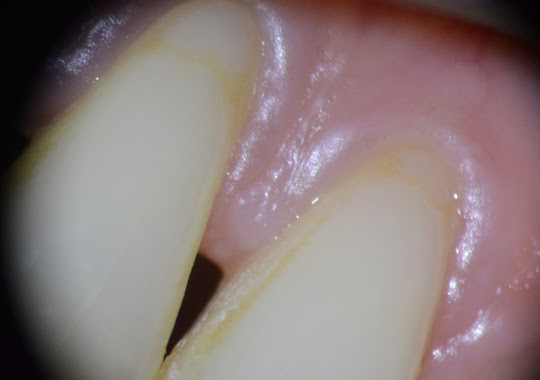
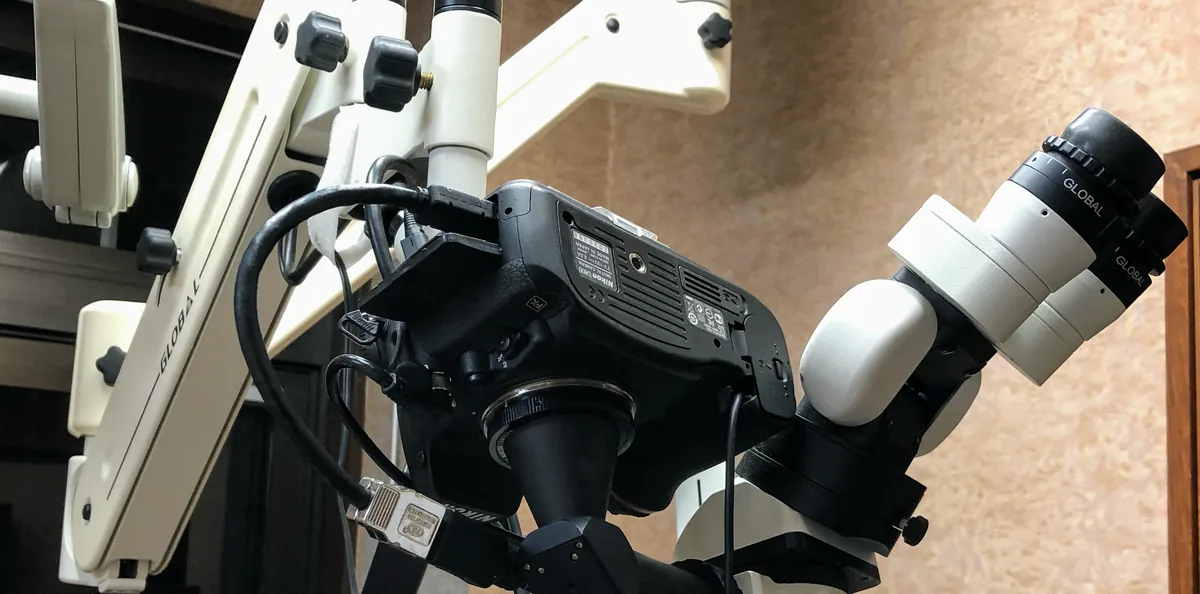
The basis of periodontal treatment is removing the plaque and tartar that adhere around the teeth. This is a battle against bacteria, and bacteria cannot be seen with the naked eye. That is why we carry out procedures while checking under a microscope.
Periodontal The leading cause of tooth loss is periodontal disease
Periodontal disease is a condition in which toxins produced by plaque in the mouth cause the gums to become inflamed and, as it worsens, the jawbone to dissolve. As it progresses further, it can lead to tooth loss. Periodontal disease is the most common cause of tooth loss among Japanese people.
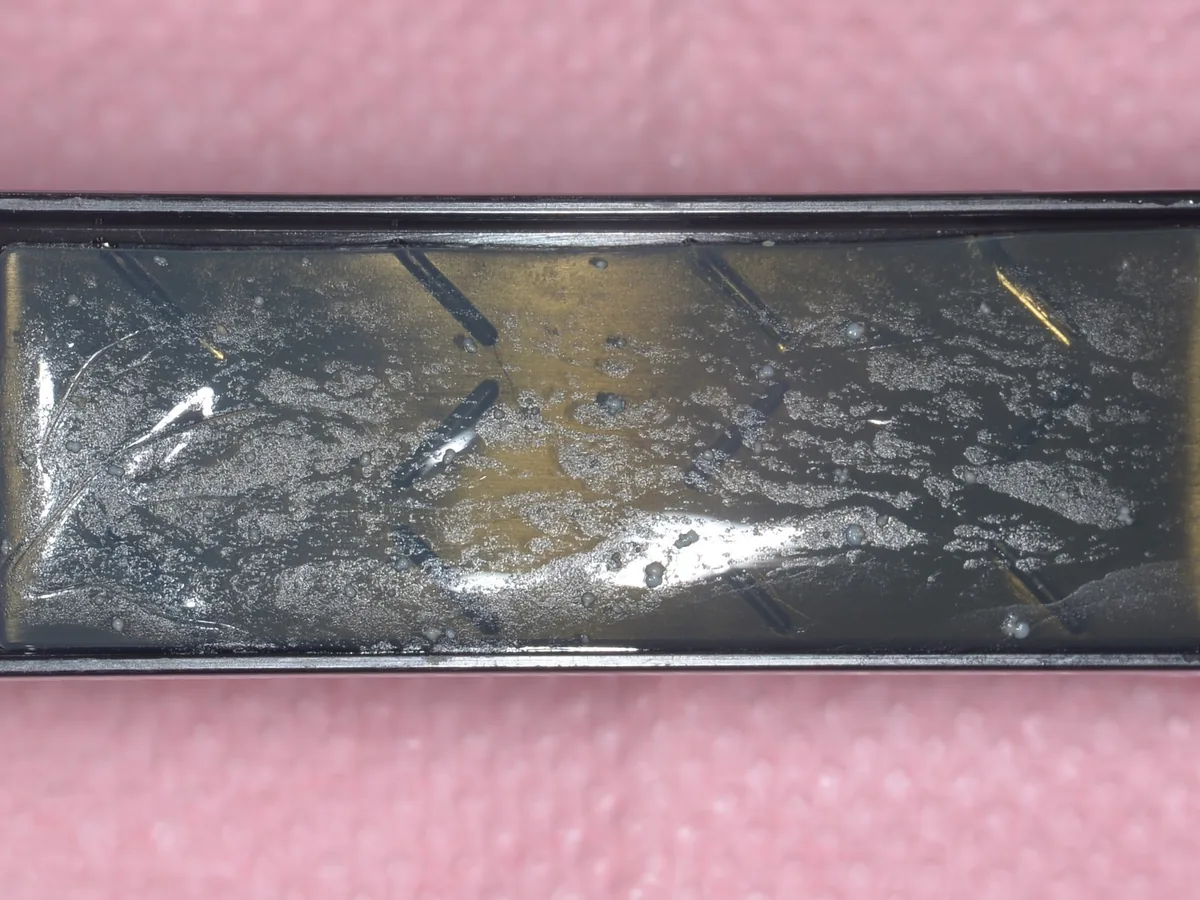
Photos: appliances and instruments at the clinic Tap a photo to enlarge.
Frequently asked questions
Can periodontal disease (pyorrhea) be cured?
Periodontal treatment aims to reduce inflammation through removal of plaque and calculus, daily oral hygiene and continuing care. Treatment and progress vary with disease severity.
Why does it not get better even after repeated tartar removal?
Besides tartar that has not been fully removed, other factors such as biting force may be involved. We check this through examination.
Even after treatment for pyorrhea, my teeth are still loose.
Bone loss, tooth mobility and difficulty chewing can persist after inflammation is controlled. We assess periodontal tissues and function when considering further treatment and continuing care.
Treatment period, number of visits, fees and risks → Fee table